
Written by IshowSpeed Follow
At What Age Did Ronaldo Start Playing Football? The Early Years That Shaped His Career (2026)
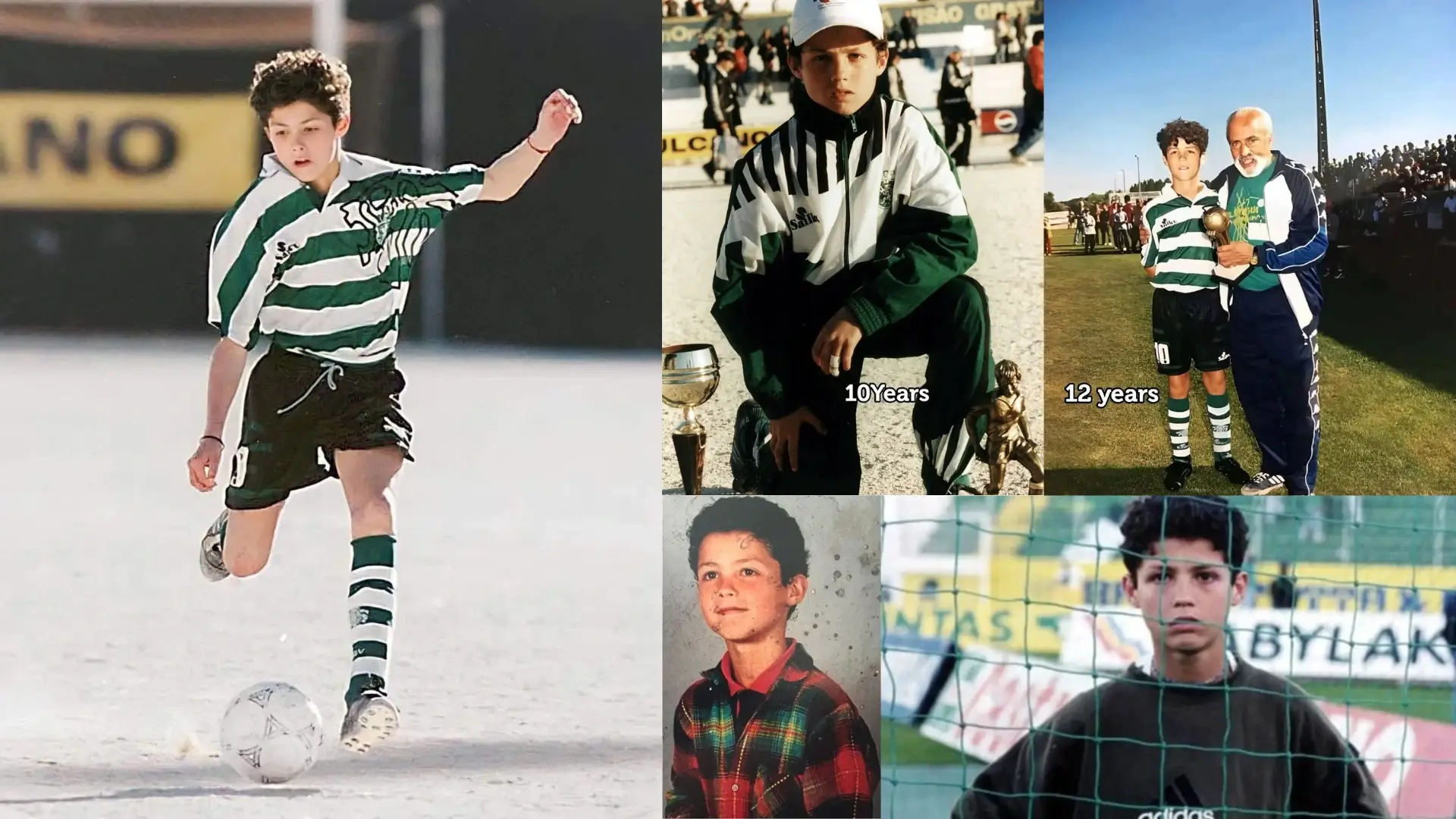
Cristiano Ronaldo is one of the greatest footballers of all time, and fans often wonder: What Age Did Ronaldo Start Playing? This detailed guide explores Ronaldo’s early years, the influences that shaped his development, and how he turned raw childhood passion into a legendary global career.
What age did Ronaldo start playing football? Cristiano Ronaldo started playing football at age 7, when he joined the local club CF Andorinha in Madeira. His father worked at the club as a kit man, and this early exposure to football helped shape Ronaldo’s interest, discipline, and commitment to the sport.
Introduction
Cristiano Ronaldo did not become a global superstar overnight. His football journey began early, driven by childhood curiosity, family influence, and natural talent. This article explores What Age Did Ronaldo Start Playing, the challenges he faced, and how his early training built the foundation for his unmatched success.
Ronaldo’s Early Football Journey vs Modern Young Footballers
| Category | Cristiano Ronaldo (Early Years) | Modern Young Footballers |
|---|---|---|
| Starting Age | 7 years old at CF Andorinha | 6–10 years old at academies |
| Training Environment | Small local club, limited resources | Structured academies with advanced coaching |
| Support System | Family encouragement; father worked at the club | Parents, private coaches, sports psychologists |
| Challenges | Poverty, separation from family at 12, heart condition | Competitive pressure, academic balance |
| Growth Path | Madeira → Nacional → Sporting Lisbon Academy | Direct entry into big academies |
| Mindset | Extreme discipline and determination | Structured growth but varied discipline levels |
Ronaldo’s Humble Beginnings: Life in Madeira
Cristiano Ronaldo was born in Funchal, Madeira, a remote island in Portugal known for its beauty but not for producing global football stars. His early environment shaped his hunger and determination.
Growing up in a modest household, Ronaldo’s first exposure to football came naturally. Local streets, small fields, and neighborhood games played a huge role in nurturing his skills even before he formally joined a club.
By the age of 7, Ronaldo’s talent was already noticeable. His speed, energy, and competitive nature separated him from others.
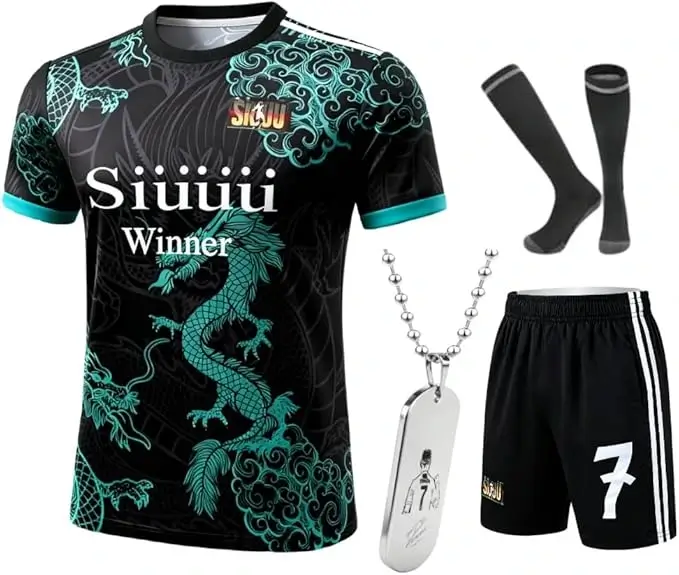
Kids Soccer Jersey Uniform Set #7 | Complete Kit with Jersey, Shorts, Socks & Player Necklace
THE ULTIMATE YOUTH SOCCER KIT: Get game-ready instantly! This complete #7 uniform set includes a breathable soccer jersey, comfortable shorts, grippy socks, AND a steel necklace.
At What Age Did Ronaldo Start Playing Football Officially?
Cristiano Ronaldo officially began his football career at age 7, when he joined CF Andorinha.
Why Age 7 Matters
This early age is significant because:
- It set the foundation for his technical growth.
- It allowed him to develop discipline early.
- It aligned with the “critical learning window” for athletes.
His father, José Dinis Aveiro, worked at the club as a kit man. This connection helped Ronaldo spend more time around football, giving him access to practice grounds and equipment.
The Influence of Family
Ronaldo’s father played a major role in his entry into football. Although the family struggled financially, his father’s position at CF Andorinha gave Ronaldo an early introduction to structured training.
His mother, Maria Dolores, encouraged him despite initial worries about balancing school and sports.
Transition to Clube Desportivo Nacional
At age 10, Ronaldo joined Nacional, one of Madeira’s biggest clubs.
This move was crucial because:
- It exposed him to tougher competition.
- Coaches quickly recognized he was above his age level.
- His training intensity increased.
Ronaldo demonstrated the mindset described in How to Finish Everything You Start — staying focused even when games or training sessions became difficult.
Moving to Sporting Lisbon at Age 12: The Turning Point
At 12 years old, Ronaldo made the life‑changing decision to move to Sporting Lisbon’s academy, leaving his family behind in Madeira.
This was a defining moment because:
- He trained with players much older than him.
- Sporting recognized his potential immediately.
- His serious heart condition (tachycardia) nearly ended his career early.
The Mindset Behind His Early Success
Ronaldo’s early progress was not just about talent — it was his mindset.
Key Mindset Traits
- Unmatched Discipline – Practicing for hours beyond structured training.
- Obsessive Improvement – Improving weaknesses with daily drills.
- High Ambition – Declaring at a young age: “I want to be the best.”
- Mental Strength – Recovering from ridicule, homesickness, and heart surgery.
How Ronaldo’s Early Training Differs From Today’s Young Players
Modern football academies provide:
- Nutrition experts
- High‑tech training equipment
- Tactical education
Ronaldo’s early development relied on:
- Natural talent
- Raw discipline
- Street football creativity
- Personal hunger to escape poverty
This contrast explains why many analysts believe Ronaldo’s mindset—rather than environment—was the true differentiator.
Breaking Down the Early Skills He Learned
At a young age, Ronaldo developed:
1. Speed and Agility
Playing on uneven grounds in Madeira helped him develop balance and quick footwork.
2. Dribbling Creativity
Street football nurtured his flair and unpredictability.
3. Competitive Spirit
He hated losing — even in childhood games.
4. Stamina and Work Ethic
Daily practice, even after academy sessions, shaped his elite athleticism.
The Role of Hardship in Shaping Ronaldo
Ronaldo’s early life was far from easy. Financial struggles, limited local facilities, and a challenging home environment shaped his hunger for success.
He learned early that to reach greatness, you must:
- Commit fully
- Work harder than others
- Stay focused even during setbacks
Teenage Breakthrough at Sporting Lisbon
By age 15, Ronaldo was playing above his age group. Sporting Lisbon coaches were impressed by his speed and technique.
At 16, he became the first player in Sporting’s history to play in the U‑16, U‑17, U‑18, B team, and first team — all within a single season.
This explosive rise shows how a player who starts early gains years of advantage.
Ronaldo’s First Professional Contract
Ronaldo signed his first professional contract at age 16, just four years after joining Sporting.
This shows how quickly a passionate beginner can become elite.
Lessons From Ronaldo’s Early Years
Fans often ask:
How did Ronaldo become great so quickly?
The answer lies in:
- Early exposure
- Relentless practice
- Support from coaches and family
- Overcoming obstacles
How Ronaldo’s Childhood Story Inspires Others
Today, athletes, students, entrepreneurs, and fans look up to Ronaldo’s journey as a blueprint for consistency.
Many self‑help books reference him when teaching:
- Execution
- Self‑discipline
- Following through
Frequently Asked Questions
1. What Age Did Ronaldo Start Playing Football?
He started at age 7.
2. Did His Family Influence His Career?
Yes. His father worked at CF Andorinha and encouraged his football passion.
3. When Did Ronaldo Join Sporting Lisbon?
He joined at age 12, moving away from Madeira.
4. Did Ronaldo Always Want to Be a Professional?
Yes. Even as a child, he dreamed of becoming the best player in the world.
5. What Challenges Did He Face Early On?
Homesickness, poverty, criticism, and a heart condition.
Conclusion
Cristiano Ronaldo’s story proves that starting early, developing discipline, and staying committed can turn dreams into reality. His journey from a 7‑year‑old boy in Madeira to a global icon is a testament to passion and perseverance.
Understanding What Age Did Ronaldo Start Playing gives fans a deeper appreciation of his career and highlights the importance of childhood development in shaping elite athletes.
Related Posts
Check Cristiano Ronaldo Brand Products
Kids Soccer Jersey Uniform Set #7 | Complete Kit with Jersey, Shorts, Socks & Player Necklace
THE ULTIMATE YOUTH SOCCER KIT: Get game-ready instantly! This complete #7 uniform set includes a breathable soccer jersey, comfortable shorts, grippy socks, AND a steel necklace.
💬 Join the Discussion
Share your thoughts with fellow Ronaldo fans!